Maps
ENTRENCHED maps — Verdun, Somme, Ypres, Gallipoli and Eisstadt layouts, chokepoints, sniper spots and attack routes.
Introduction
The Maps hub is your guide to every battlefield in ENTRENCHED. From the fortress trenches of Verdun and the open ground of the Somme to the snowy Eisstadt map added in v1.23, each map has its own layout, chokepoints and sniper spots. This hub explains how to attack and defend each map, where the flanks and firing positions are, and how weather changes the flow of battle. Learn the rotation, the key capture points and the fastest routes so you always know where the fight is heading. Weather on Eisstadt adds another strategic layer, and the map rotation keeps each session varied. Studying each battlefield before you spawn is the fastest way to improve your positioning and win rate.
Battlefield Comparison
| Map | Scale | Key Terrain | Best For |
|---|---|---|---|
| Verdun | Medium | Fortress trenches | Trench defense |
| Somme | Large | Open ground | Crossing tactics |
| Eisstadt | Large | Snow and weather | Dynamic fights |
| Ypres | Small | Urban ruins | Close flanking |
| Gallipoli | Medium | Coastal slopes | Beach assaults |
Battlefield Guide
Verdun
Fortress trenches of interlocking lanes
Eisstadt
New snowy battlefield with dynamic weather
Somme
Open ground that tests crossing tactics
Ypres
Small urban map full of flanking routes
Gallipoli
Coastal slopes and beach landing angles
Core Mechanics
Each ENTRENCHED map is built around a historic battlefield, and the layout changes how you play. Verdun is a fortress of interlocking trench lines where defense dominates and every push costs tickets. The Somme's open ground makes crossing dangerous and rewards suppression and smoke. Eisstadt, added in v1.23, introduces snow and dynamic weather that shift visibility and sound. Ypres is a small urban map full of close flanking routes, while Gallipoli's slopes and beach landings create unusual attack angles. Learning the chokepoints, sniper spots and capture points of each map is the fastest way to improve your win rate. On defense, fortify the chokepoints and let the attackers cross into your fire lanes; on attack, use smoke and suppression to break through. Each map rewards a slightly different class mix, so adapting your loadout to the battlefield is a core skill.
Advantages
The maps are one of ENTRENCHED's best features because they all play differently. Verdun and the Somme demand completely different tactics, which keeps the game fresh as the rotation changes. The v1.23 weather system adds another layer — a snowstorm on Eisstadt changes sightlines mid-match and forces teams to adapt. The historical settings are also memorable, so players quickly learn map names and the routes that matter on each one. The maps also reward both casual and competitive play, because learning them is a skill that never goes stale even as your aim improves. Map-specific knowledge, like knowing the sniper spots on Verdun or the flanking routes on Ypres, directly translates to more objective captures.
Challenges
The weaknesses are mostly about map knowledge being a hard requirement. New players get punished on open maps like the Somme before they learn to use cover, and the larger maps make it easy to get lost or spawn far from the action. Weather on Eisstadt can frustrate players who want stable fights, and small maps like Ypres can devolve into chaotic close-quarters brawls that favor certain classes heavily. New players can also get lost or spawn far from the action on the larger maps, and weather on Eisstadt frustrates players who prefer stable fights. Some maps also favor certain classes heavily, which can feel unfair until you learn to adapt.
Frequently Asked Questions
Which ENTRENCHED map is best for beginners?+
What is the newest map in ENTRENCHED?+
How does weather affect gameplay on Eisstadt?+
Quick Tips
Learn one map's chokepoints and sniper spots before rotating to the next. Map knowledge wins more matches than raw aim, because you will know where the fight is heading and where to hold. Focus on Verdun first, then apply those lessons to the other battlefields. Consistent map awareness turns a good aimer into a player who wins objectives, and that is what truly moves the needle.
On open maps like the Somme, use smoke and suppression to cross open ground safely. Moving in the open without cover is a death sentence, so coordinate with your squad to lay smoke, pin the defenders, and cross in bursts between cover points. Consistent map awareness turns a good aimer into a player who wins objectives, and that is what truly moves the needle.
On Eisstadt, adapt your sightlines when the weather shifts. The dynamic weather changes visibility and sound mid-match, so a position that worked at the start may be useless in a storm. Stay close to your squad and call out the changes as they happen. Consistent map awareness turns a good aimer into a player who wins objectives, and that is what truly moves the needle.
Featured
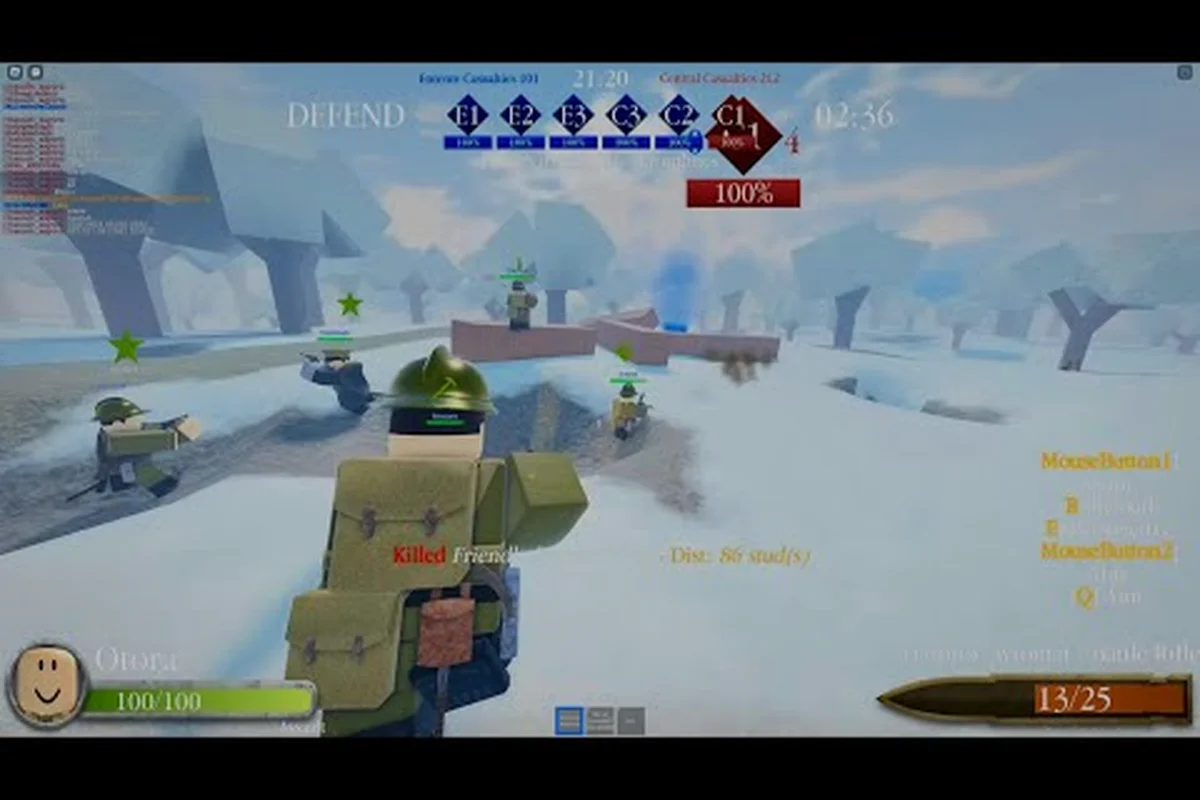
ENTRENCHED Conquest Maps: Size, Choke Points & Key Forts
Understand ENTRENCHED conquest maps with size comparisons and key choke points. Find the best sniper spots and fortress positions for domination.
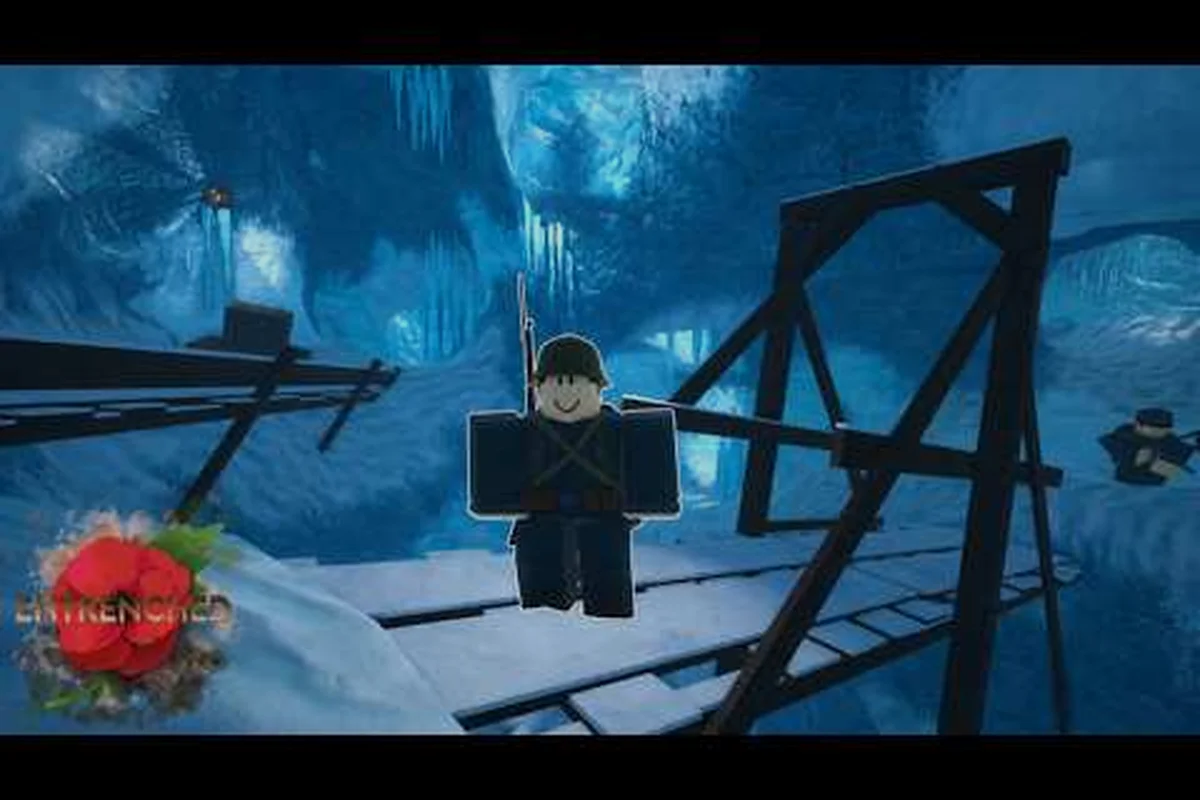
ENTRENCHED Map List: Every Battlefield, Size and Layout
Browse the full ENTRENCHED map list including Verdun, Somme, Ypres, and Gallipoli. Learn the rotation order and how each battlefield suits different playstyles.
ENTRENCHED Maps: Complete Rotation Guide for Every Mode
Explore every ENTRENCHED maps layout from Verdun to Gallipoli. Learn each map terrain, key landmarks, and tactical advantages for coordinated team play.
All Articles

ENTRENCHED Map Flanks: Hidden Attack Routes & Spawns
Flank effectively with this ENTRENCHED map flanks guide. Discover hidden attack routes, defense positions, and the best spawn points on every battlefield.
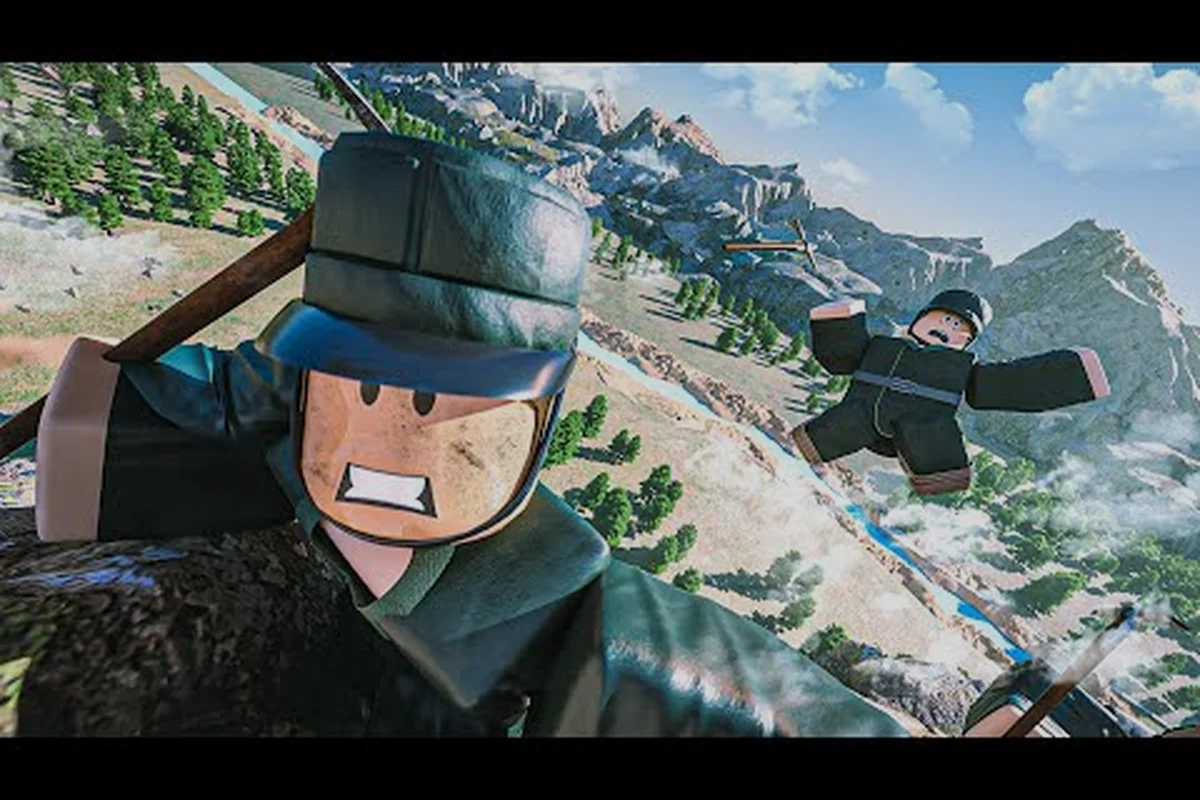
ENTRENCHED Map Strategy: How to Win on Verdun & Eisstadt
Win more matches with ENTRENCHED map strategy for Verdun and Eisstadt. Learn capture points, defensive holds, and attack routes for each map.
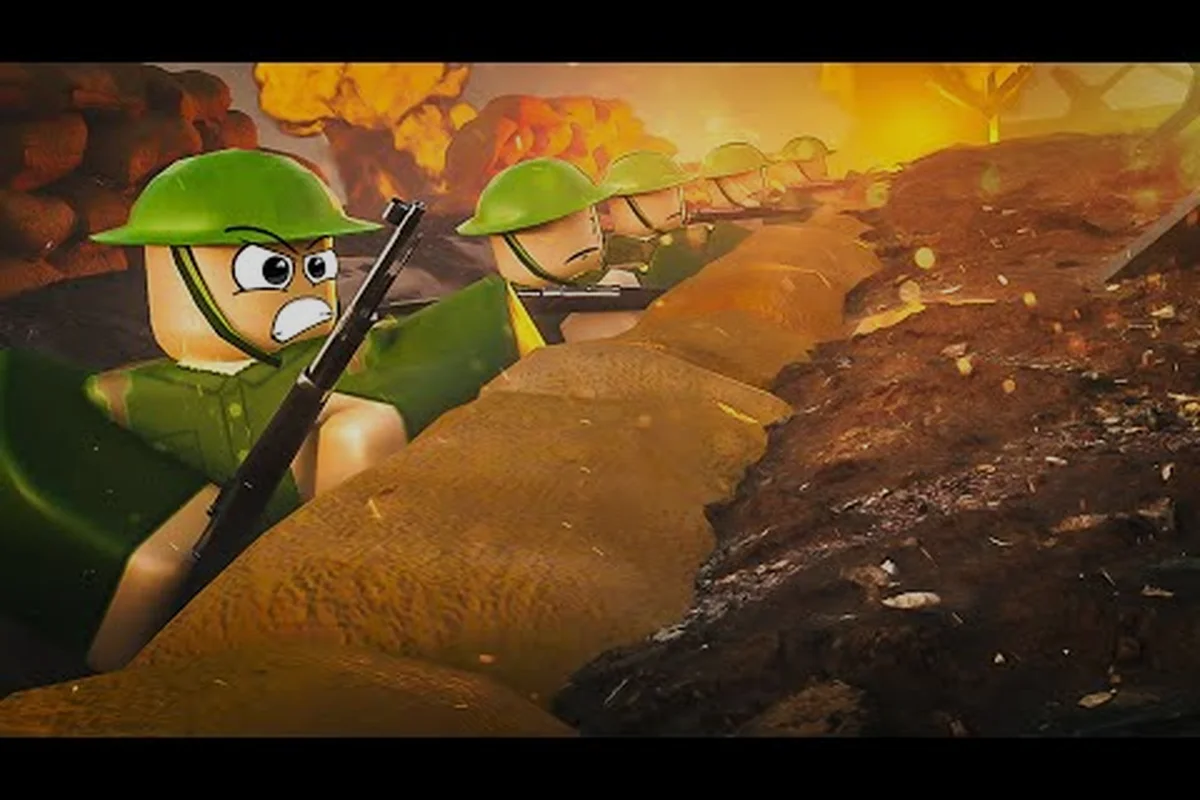
ENTRENCHED Maps Tier List: All Battlefields, Best to Worst
Rank every battlefield with the ENTRENCHED maps tier list. Compare map size, layout, and flow to find which battlefields favor your playstyle and win rate.