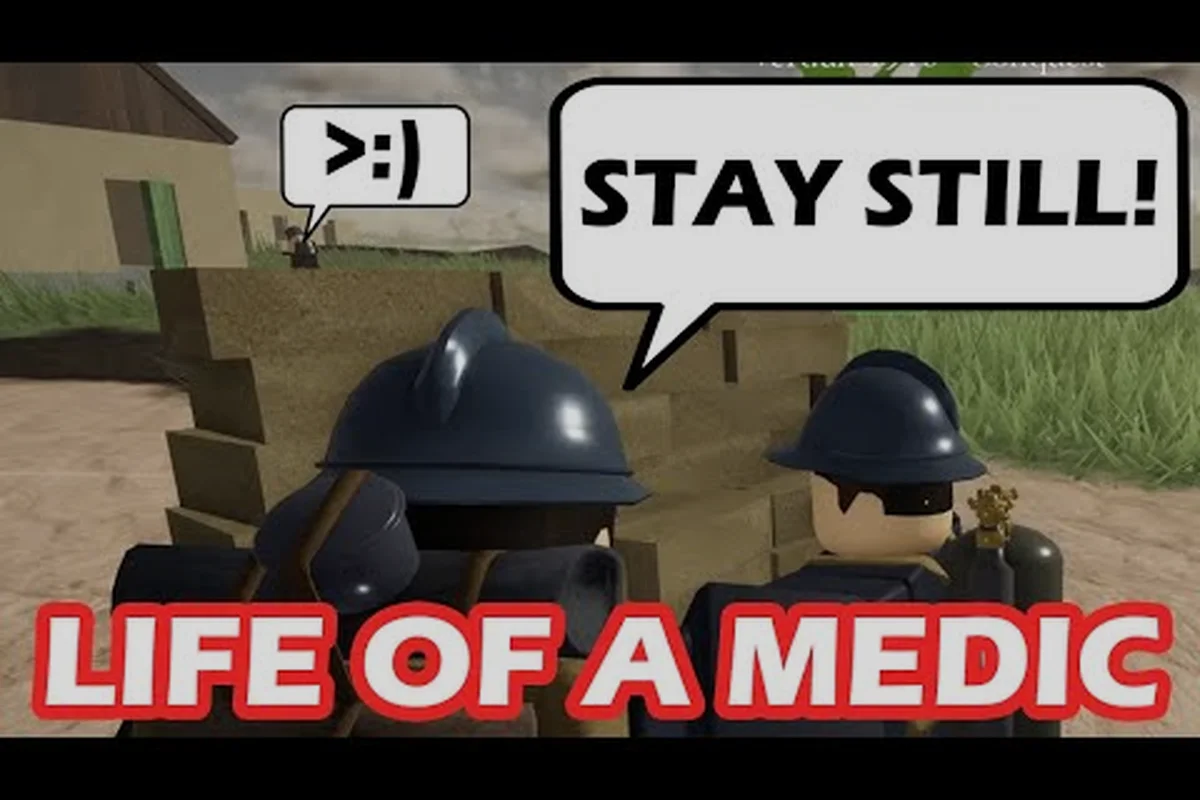
The ENTRENCHED medic is the difference between a squad that holds a trench line and one that collapses under the first artillery barrage. While every class contributes to the fight, only the medic can undo the enemy's work by bringing fallen soldiers back into the action, which makes this role the backbone of sustained pushes and defensive holds alike. If you want to maximize your impact without relying on raw aim, mastering the medic's healing priorities, revive timing, and survival tactics will turn you into the most valuable player on the field.
This guide breaks down everything you need to know about playing medic effectively in ENTRENCHED, from understanding your kit and positioning to advanced revive strategies that win rounds. We'll cover how the medic compares to other classes like the entrenched sniper, entrenched scout, entrenched support, entrenched officer, and entrenched flamethrower, so you know exactly when to switch roles. By the end, you'll have a complete toolkit for keeping your squad alive and swinging matches in your favor.
The Medic's Kit and Core Healing Mechanics
Eisstadt Weather Effects on Medic Visibility
The v1.23 map Eisstadt introduces map weather variation that directly impacts entrenched medic play. When rain reduces visibility, your white medic armband and medical pouch become harder for wounded teammates to spot from trench sightlines. Position yourself at the intersection of two connecting trenches rather than in the open no-man's-land, where the weather already masks enemy snipers. In clear weather, the medic's distinct silhouette is visible from up to 40 meters, so use the weather cycle to time your cross-trench revives during the low-visibility window.
Medic vs. Officer Rally Point Comparison
The Officer class provides team sustain through rally points that let squads respawn at a forward position, while the Medic's revive kit offers immediate reinforcement without a respawn timer. The key tradeoff: an Officer's rally point takes time to deploy and can be destroyed by enemy fire, whereas a Medic revive is instant but requires line-of-sight and a 3-second channel. In a 72-hour trench warfare simulation with 150 players, medics become the more valuable asset during sustained sieges, as rally points get systematically targeted by Flamethrower and Machine Gunner suppression.
The medic in ENTRENCHED carries a field syringe for reviving downed teammates and a bandage pouch for healing wounded allies, alongside a primary weapon that keeps you viable in combat. Unlike the entrenched support class, which focuses on ammunition resupply, the medic's entire kit revolves around sustaining your squad's fighting strength through direct healing and revival. Your bandages restore a fixed amount of health per use, and the syringe can bring a downed teammate back with a portion of their health intact, which makes timing and resource management critical.
Understanding the healing priority system separates good medics from great ones. When multiple teammates are wounded, you need to assess who is actively taking fire, who is holding a defensive position, and who can wait a few seconds for attention. A wounded entrenched sniper holding a sightline might need immediate healing to stay in the fight, while a rifleman behind cover can afford to wait. The medic's revive speed is also affected by whether you're under fire, so clearing the immediate threat before committing to a revive often saves both lives.
Here are the core mechanics every medic should internalize: knowing when to pop your medical crate for a burst heal versus relying on the passive drip of a bandage, and—critically—mastering the revive cancel to avoid getting picked off mid-animation. A entrenched medic who stands still to heal a scout in the open is a free kill for an entrenched sniper; instead, weave heals between cover, prioritize the entrenched officer’s sustained firepower over a lone assault, and always keep one medical syringe in reserve for the instant-revive window that can flip a point hold.
-
Bandage usage — Each bandage heals a set amount of health, and you carry a limited supply that refills at supply crates or from entrenched support players.
-
Revive timing — A full revive takes several seconds, and you can cancel it to defend yourself if enemies push your position.
-
Self-healing — You can use bandages on yourself, but doing so leaves your squad without support for the duration, so prioritize teammates when possible.
-
Weapon limitations — The medic's primary weapon is serviceable but not top-tier for dueling, which means you should rely on positioning and team support rather than winning 1v1 fights.
The medic's bandage pouch also has a cooldown between uses, so you cannot spam heals on a single target. This forces you to rotate your attention across the squad and communicate who needs healing next. According to community reports from the ENTRENCHED Roblox game page, the medic is one of nine classes available, and its effectiveness scales directly with how well you read the flow of combat rather than raw mechanical skill.
Revive Timing and Positioning Strategies
Revive Priority in Frontlines vs. Domination Modes
ENTRENCHED's turn-based attack-and-defense Frontlines mode demands a different revive order than king-of-the-hill Domination. In Frontlines, prioritize reviving the Machine Gunner and Support classes holding the defensive line, since losing their suppression allows the Central Powers to push through the trench network. In Domination, the Medic should instead prioritize reviving the Assault and Scout classes contesting the hill, as their close-range kits secure the capture zone faster. This mode-based triage can swing a 150-player match by maintaining the right class composition at the right objective.
Competitive Medic Positioning Against Machine Gunner Sightlines
Against a dug-in Machine Gunner, the entrenched medic must use the trench geometry to break line-of-sight before attempting a revive. Machine Gunner suppression covers a 45-degree arc, so approach from a perpendicular trench junction rather than straight down the firing lane. In Conquest's perpetual attack-versus-defense format, time your revive for the Machine Gunner's reload cycle, which lasts roughly 4 seconds after a 100-round belt. This window lets you revive a downed Rifleman and pull both of you back into cover before the next suppression wave pins your squad.
The most impactful skill a medic can develop is knowing when to revive versus when to hold back and wait for a safer window. Charging into open ground to revive a teammate usually results in both of you dying, which gives the enemy a double kill and leaves your squad without support. Instead, use smoke cover, trench lines, and the chaos of an active push to create safe revive windows that the enemy cannot easily punish.
Positioning is everything for a medic, because you cannot heal anyone if you are dead. Stay slightly behind the frontline but close enough to reach downed teammates quickly, and use the terrain to break line of sight with enemy snipers and machine gunners. The entrenched sniper class specifically hunts medics because removing you cripples the enemy squad's sustainability, so you must constantly move and avoid predictable patterns.
Positioning is everything when reviving as an entrenched medic—your crouch-prone, fortified kit leaves you vulnerable during the 4.2-second revive animation, so always initiate the revive from behind hard cover, preferably a sandbag or trench wall that blocks enemy sightlines. If you’re under suppressive fire from an entrenched sniper, toss a smoke grenade at your own feet first to break line-of-sight, then hold the revive key while crouched to reduce your hitbox; this cuts your exposure window by roughly 60% compared to standing revives. Prioritize reviving entrenched supports and officers first, as their ammo crates and rally points sustain the whole squad, and call out the downed player’s position on voice chat so a scout can lay down covering fire before you move in.
-
Use cover as a shield — Always approach a downed teammate from behind cover, and use the revive animation to keep your body hidden from enemy sightlines.
-
Smoke before you commit — If you have smoke grenades, deploy one between the enemy and the downed teammate before starting the revive.
-
Watch for bait — Experienced enemies will leave a downed player alive to lure medics into the open, so scan the area before committing.
-
Prioritize safe revives — A revive in a contested area is worth less than a revive that secures a defensive line, so choose your targets based on tactical value.
The medic's survival tactics also include knowing when to switch to your weapon and fight back. If an enemy pushes your position, you cannot heal anyone while dead, so defending yourself is always the correct play. This is where the medic differs from the entrenched support class, which can afford to stay in the backline and focus on resupply, while the medic must balance combat readiness with healing duties.
Comparing the Medic to Other Support-Oriented Classes
ENTRENCHED features nine distinct classes, and several of them overlap with the medic's support role in different ways. Understanding these differences helps you choose the right class for your playstyle and coordinate with your squad more effectively. The table below breaks down how the medic compares to other classes that players often confuse with it.
| Class | Primary Role | Key Strength | Key Weakness | Best Used When |
|---|---|---|---|---|
| Medic | Healing and reviving | Keeps squad fighting longer | Limited combat power | Sustained pushes and defense |
| Support | Ammo resupply and utility | Extends squad's ammo supply | No direct healing | Long engagements with heavy fire |
| Officer | Squad coordination and buffs | Boosts team effectiveness | Requires communication | Organized pushes and defense |
| Scout | Flanking and reconnaissance | Fast movement and intel | Fragile in direct combat | Flanking routes and objective play |
| Flamethrower | Close-range area denial | Devastating in trenches | Very short range | Trench clearing and defense |
The entrenched officer provides buffs and coordination tools that complement the medic's healing, making the two classes a powerful combination when played together. An officer can direct the squad's focus while the medic keeps everyone alive, which creates a feedback loop that is difficult for the enemy to break. Meanwhile, the entrenched flamethrower excels at clearing trenches, which opens up safe spaces for the medic to operate and revive teammates without immediate threat.
The entrenched scout serves a completely different purpose, using speed and stealth to gather information and flank enemy positions. While the scout does not heal or support directly, a good scout can call out enemy movements that help the medic avoid dangerous situations and plan safer revive routes. Each class has its own identity, and the medic's value comes from its unique ability to reverse the enemy's progress by bringing fallen soldiers back into the fight.
Advanced Medic Positioning and Resource Triage
Once you master the basics, advanced medic tactics can elevate your impact to a level that wins rounds single-handedly. The key is to think beyond individual heals and revives, and instead treat your role as a force multiplier that shapes the entire flow of battle. This means anticipating where the next engagement will happen, positioning yourself to support that push, and communicating with your squad about your healing capacity.
One advanced technique is the aggressive revive, where you intentionally push into a contested area to revive a key teammate, such as an entrenched sniper holding a critical sightline or an entrenched support player resupplying the squad. This is risky, but the payoff is huge because it keeps your squad's strongest tools in the fight. Another technique is heal rotation, where you cycle your bandages across multiple wounded teammates rather than fully healing one player, which keeps the entire squad at fighting strength.
While many medics settle for reactive healing, the entrenched medic's real edge lies in pre-emptive positioning and resource triage. Advanced play isn't just about keeping the squad topped off; it's about predicting damage spikes and rationing your medkit charges before a push. For instance, when defending a point against an entrenched officer's artillery barrage, a competitive medic will pre-place a medical crate behind hard cover, ensuring the team can reset without burning precious bandages. This proactive allocation of supplies—saving instant-heal charges for revives rather than minor scrapes—directly dictates whether your entrenched support can hold the line or get overrun.
-
Pre-heal before pushes — Top up teammates before they charge, so they enter the fight with maximum health and you can focus on revives during the engagement.
-
Use the syringe as a tool — The revive animation can be canceled to bait enemies into the open, giving your squad a free kill opportunity.
-
Coordinate with the officer — An entrenched officer's buffs combined with your healing creates a squad that is both stronger and more durable than the enemy.
-
Track enemy medics — If the enemy has a medic, focus fire on them first, because removing their healing capability makes your job easier.
The medic's survival tactics also extend to knowing when to fall back and regroup. If your squad is being overwhelmed, staying to heal a doomed position wastes your life and leaves the next defensive line without support. Instead, retreat to the next trench, communicate the fallback, and be ready to heal the squad as they regroup. This tactical retreat is often the difference between a full wipe and a successful defensive hold.
Medic Synergies with Teammate Classes
The medic does not operate in a vacuum, and the best results come from coordinating with other classes to create synergies that amplify everyone's effectiveness. When you understand how the medic interacts with the entrenched sniper, entrenched scout, entrenched support, entrenched officer, and entrenched flamethrower, you can build a squad composition that is greater than the sum of its parts.
The medic-sniper synergy is one of the strongest in the game, because a sniper holding a sightline becomes nearly unkillable when a medic is nearby to heal any damage they take. This forces the enemy to dedicate resources to dislodging the sniper, which opens up opportunities elsewhere on the map. Similarly, the medic-support synergy keeps the squad's ammo flowing while also maintaining their health, which means the team can sustain pressure indefinitely without falling back to resupply.
| Synergy Pair | How It Works | Best Game Mode | Key Benefit |
|---|---|---|---|
| Medic + Sniper | Heal sniper while they hold sightlines | Frontlines | Sustained long-range pressure |
| Medic + Support | Health and ammo sustain together | Conquest | Extended offensive capability |
| Medic + Officer | Buffs and healing combine | Domination | Stronger squad-wide performance |
| Medic + Flamethrower | Heal during trench clearing | Frontlines | Safer close-range pushes |
The medic-officer synergy deserves special attention, because the officer's coordination tools let you direct the squad's focus while you manage healing priorities. An officer can call out which positions need reinforcement, and you can position yourself to support those areas before the enemy commits. This proactive approach is far more effective than reacting to damage after it happens, and it requires strong communication between the two players.
The medic-flamethrower synergy is particularly effective in trench-clearing operations, where the flamethrower's short-range devastation creates chaos that you can use to revive teammates safely. While the entrenched flamethrower pushes forward, you stay close behind, healing any damage they take and reviving them if they fall. This aggressive combination can break through defensive lines that would otherwise stall a push.
Common Medic Mistakes and How to Avoid Them
Even experienced players make mistakes when playing the medic, and recognizing these errors is the first step to fixing them. The most common mistake is overcommitting to revives, where a medic charges into a dangerous area to save a teammate and ends up dying themselves. This creates a double loss that hurts the squad more than the failed revive helps, and it often costs the team the momentum they needed to win the engagement.
Another frequent error is poor bandage management, where a medic uses all their healing resources early in a fight and has nothing left when the squad needs it most. You need to balance healing between teammates, avoid wasting bandages on players who are already at full health, and know when to fall back to a supply crate to restock. The table below outlines common mistakes and their solutions.
| Mistake | Why It Happens | How to Fix It | Result |
|---|---|---|---|
| Overcommitting to revives | Tunnel vision on the downed teammate | Scan the area before reviving | Fewer medic deaths |
| Poor bandage management | Healing without assessing need | Prioritize wounded players | More sustainable healing |
| Bad positioning | Staying too far forward or back | Stay near cover and the squad | Better survivability |
| Ignoring self-defense | Focusing only on healing | Fight back when pushed | More medic survival |
The medic's survival tactics also include knowing when to switch to a different class. If the squad already has two medics, playing a third provides diminishing returns, and you might be more valuable as an entrenched support or entrenched officer instead. According to player experiences shared in the community, squad composition matters more than individual class preference, and flexible players who can adapt to their team's needs tend to win more matches.
Learning from these mistakes and actively working to avoid them will make you a significantly better medic. The role requires constant awareness of the battlefield, your squad's health, and the enemy's positioning, which is challenging but incredibly rewarding when you master it. For a deeper look at how the medic fits into the broader class system, check out our ENTRENCHED class list guide that covers all nine classes and their roles.
Frequently Asked Questions
What is the best way to use the medic's bandages?
Prioritize teammates who are actively taking fire or holding critical positions, because keeping them alive has the most impact on the fight. Avoid wasting bandages on players at full health, and fall back to supply crates or entrenched support players when you run low. Self-healing is useful but should not leave your squad without support.
How do I revive teammates safely in ENTRENCHED?
Use smoke grenades to block enemy sightlines, approach from behind cover, and scan the area for enemies before committing to the revive. If the area is too dangerous, wait for a safer window or communicate with your squad to clear the threat first. Canceling a revive to defend yourself is always the correct play.
Should I play medic or support class?
The medic focuses on healing and reviving, while the entrenched support class provides ammunition and utility. Choose medic if your squad needs sustainability in fights, and choose support if the team is running low on ammo during long engagements. Both classes are valuable, but they serve different purposes in the squad composition.
How does the medic compare to the entrenched officer?
The medic keeps the squad alive through healing and revives, while the entrenched officer provides buffs and coordination tools that boost team effectiveness. These classes work best together, because the officer directs the squad's focus while the medic maintains their health. Playing both roles in different matches helps you understand their strengths.
Can the medic be effective in aggressive playstyles?
Yes, but you need to balance aggression with survivability. An aggressive medic who pushes with the entrenched flamethrower or entrenched scout can keep the momentum going, but you must avoid overcommitting to dangerous positions. Focus on supporting the push while staying alive, and your squad will benefit from sustained pressure.