
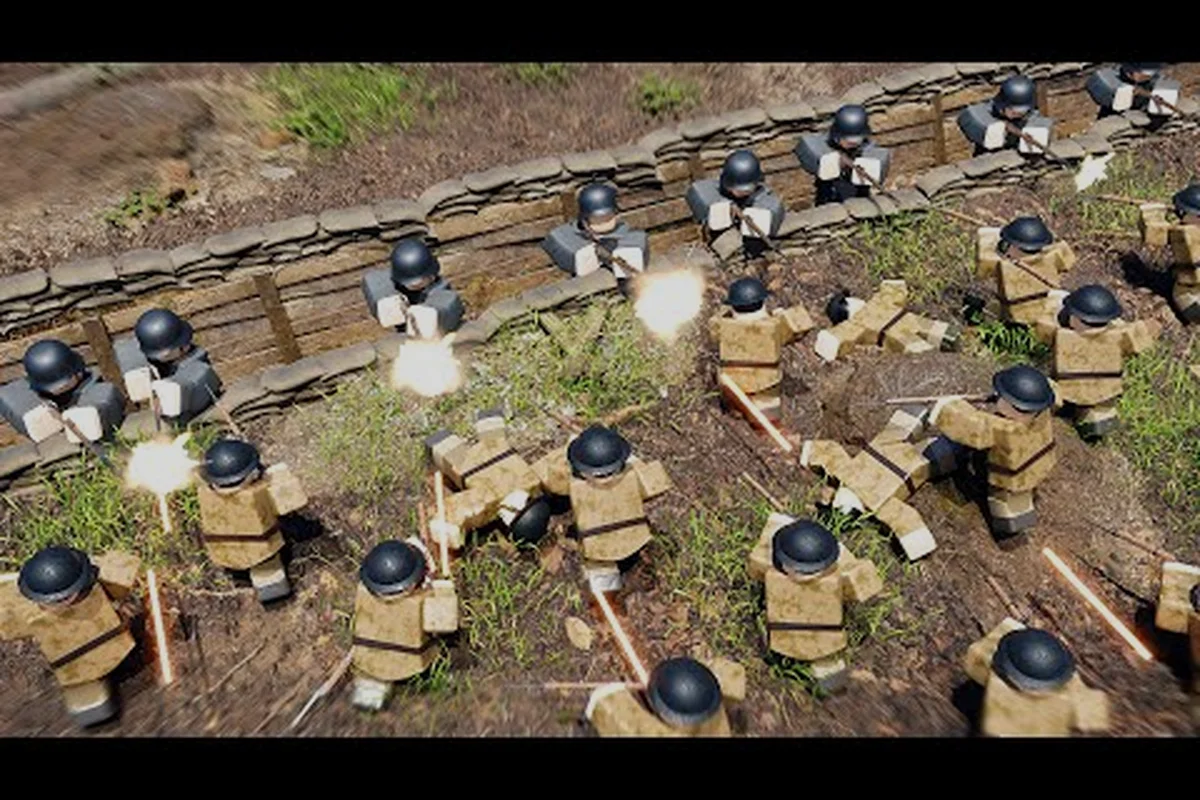
ENTRENCHED drops you into the brutal reality of early 20th century warfare, where the Entente and Central Powers grind against each other in muddy, shell-torn trenches. This ENTRENCHED combat guide breaks down the three systems that separate veterans from cannon fodder: digging, gas, and weather. Understanding these mechanics matters because they dictate positioning, survival, and ultimately which team holds the line when the whistle blows.
The game's v1.23 update introduced the Eisstadt map with map weather variation, which means you can no longer rely on static tactics every round. Whether you are pushing a contested objective or holding a defensive sector, the environment actively fights alongside the enemy. Master these systems, and you will control the tempo of every engagement rather than reacting to it.
Digging Mechanics: How to Dig in ENTRENCHED
The shovel is your most underrated tool, and learning how to dig in ENTRENCHED effectively can flip a losing defense into an unbreakable stronghold. Every class carries a shovel, but the speed and depth of your digging depend on terrain type and whether you are crouched or standing. Digging is not just about creating cover; it is about shaping sightlines, funneling enemy movement, and protecting your squad from artillery and gas.
When you press the dig button, your character starts excavating a trench segment that progresses through three visual stages. The first stage creates a shallow scrape that provides partial crouch cover, while the second stage deepens it enough for full crouch protection. The third stage produces a proper trench section with a raised parapet that blocks most incoming fire while standing. Each stage takes roughly four seconds of continuous digging, but interrupting the animation resets progress, so pick your digging spots carefully.
Terrain Types and Dig Speed
Not all ground is created equal, and the terrain system directly impacts how quickly you can fortify a position. Soft soil near riverbanks and lowlands digs fastest, while rocky high ground and urban rubble slow your shovel to a crawl. This creates a natural trade-off between defensive strength and preparation time, which experienced squads exploit by pre-digging key positions before the enemy arrives.
| Terrain Type | Dig Speed | Cover Quality | Best Use |
|---|---|---|---|
| Soft Soil | Fast (2.5s per stage) | Medium | Quick foxholes, forward positions |
| Grassland | Moderate (4s per stage) | Medium-High | Standard trench lines |
| Rocky Ground | Slow (6s per stage) | High | Permanent fortifications |
| Urban Rubble | Very Slow (8s per stage) | Very High | Street fighting, final holds |
The soft soil near the Eisstadt riverbanks allows rapid entrenchment, which is why early rounds often see both teams racing to claim those zones before the artillery starts falling. Conversely, rocky ground on the Doiran heights takes forever to dig but offers superior protection once complete, making it ideal for machine gun nests that need to survive sustained bombardment. Community reports suggest that a full squad digging cooperatively can complete a third-stage trench in under fifteen seconds on soft terrain, which is fast enough to react to a shifting frontline.
Digging Strategies for Offense and Defense
On defense, your priority is creating overlapping fields of fire that force attackers into kill zones. Dig a main trench line perpendicular to the expected attack vector, then add short communication trenches that angle backward to your respawn point. This layout lets you rotate defenders without exposing them to enemy fire, and it gives medics safe lanes to reach downed teammates.
On offense, digging serves a different purpose: forward staging points. Instead of charging across open ground, dig shallow scrapes at intervals as you advance, giving your squad temporary cover to regroup and reload. This technique, reported by veteran players on the Roblox Developer Forum, turns a suicidal rush into a methodical advance that preserves manpower for the final objective push. The key is to dig only first-stage scrapes during an assault, because anything deeper wastes precious seconds while the enemy repositions.
Gas Mechanic: Survival and Counterplay
The entrenched gas mechanic introduces a layer of tactical horror that forces you to constantly monitor both the battlefield and your equipment. When gas shells land, they release a thick, green cloud that lingers for roughly twenty seconds, dealing damage over time to anyone caught inside without protection. The cloud obscures vision almost completely, which means it can be used offensively to screen an advance or defensively to break up an enemy push.
Your primary defense is the gas mask, which every class can equip as a secondary item. Wearing the mask negates the damage over time effect, but it severely restricts your peripheral vision and makes aiming down sights slower. This trade-off means you must decide whether to keep the mask on permanently or equip it only when you hear the distinctive whistle of incoming gas shells. The audio cue is your best early warning, because the cloud takes about two seconds to fully expand after impact.
Gas Mask Mechanics and Timing
The gas mask does not have infinite protection, and understanding its limits is critical for survival. Each mask has a filter that degrades over time while exposed to gas, and once the filter is exhausted, you start taking damage even while wearing it. Filters last roughly thirty seconds of continuous gas exposure, which is longer than most individual clouds but short enough that you cannot camp inside a gas-filled trench indefinitely.
| Gas Mask State | Damage Reduction | Vision Penalty | Filter Drain |
|---|---|---|---|
| Unequipped | None | None | N/A |
| Equipped (Fresh) | 100% | Heavy | Normal |
| Equipped (Filter Low) | 100% | Heavy | Accelerated |
| Filter Exhausted | 0% | Heavy | N/A |
The filter exhaustion state is the most dangerous because you still suffer the vision penalty while receiving full damage, which can disorient you into walking deeper into the cloud. Experienced players track their filter usage and retreat to fresh air before it runs out, because the mask does not regenerate while equipped. You must unequip the mask in a safe area for roughly ten seconds to reset the filter, which creates a vulnerability window that coordinated enemies can exploit.
Offensive Gas Tactics
Gas is not just a defensive tool, and aggressive squads use it to break entrenched positions that would otherwise require a costly frontal assault. The most effective pattern is to lob gas shells at a defended trench line, wait for the defenders to either flee or equip masks, then push with a coordinated assault while they are disoriented. The vision penalty from the mask makes it difficult for defenders to spot your approach, and the damage pressure forces them to make uncomfortable choices.
Another advanced tactic involves using gas to cut off reinforcement routes rather than attacking directly. By placing gas clouds on the communication trenches that connect the frontline to the enemy respawn, you delay reinforcements and isolate the forward defenders. This creates a temporary numbers advantage that your squad can exploit to overwhelm the isolated position before the gas dissipates. Community testing suggests that two or three well-placed gas shells can hold a choke point for nearly a minute, which is an eternity in a fast-paced Frontlines match.
Weather System: How Conditions Change Combat
The entrenched weather system adds a dynamic layer that reshapes the battlefield every few minutes, and the v1.23 update's Eisstadt map made this mechanic impossible to ignore. Weather conditions rotate between clear, rain, fog, and snow, each with distinct effects on visibility, movement, and weapon performance. You cannot control the weather, but you can adapt your loadout and tactics to exploit whatever conditions the match throws at you.
Rain reduces visibility moderately and dampens sound, making it harder to locate enemies by audio cues alone. Fog cuts visibility drastically, turning long-range engagements into close-quarters brawls where the entrenched movement mechanics become more important than raw aim. Snow slows movement slightly on open ground and leaves tracks that skilled players can follow, while clear weather offers maximum visibility for snipers and machine gunners.
Weather Effects on Weapon Performance
Different weapon classes respond differently to weather conditions, which means your optimal loadout shifts based on the current forecast. Bolt-action rifles suffer the most in fog and rain because their effectiveness depends on long sightlines, while shotguns and SMGs thrive in reduced visibility where engagements happen at close range. Machine guns become less reliable in rain because the moisture affects their accuracy over sustained fire, though they remain devastating in clear conditions.
| Weather | Visibility | Movement Speed | Weapon Impact | Best Loadout |
|---|---|---|---|---|
| Clear | Maximum | Normal | No penalty | Sniper, Machine Gunner |
| Rain | Reduced | Normal | Accuracy penalty | Rifleman, Assault |
| Fog | Severe Reduction | Normal | Range limited | Shotgun, SMG |
| Snow | Moderate | Slowed | Slight accuracy penalty | Assault, Medic |
The snow condition on Eisstadt creates an interesting dynamic because it slows movement on open ground but leaves trenches unaffected, which rewards players who stay in the dug-in network rather than crossing fields. Fog, on the other hand, punishes static defense because you cannot see approaching attackers until they are almost on top of you, making the entrenched movement mechanics of peeking and repositioning essential for survival. Rain is the most subtle condition, because the accuracy penalty applies to both teams equally, which means the team that closes distance faster gains the advantage.
Adapting Your Playstyle to Weather
Clear weather demands patience and precision, because you can be seen from across the map and every shot you take reveals your position. Stay in deep cover, use scopes to spot enemies before they spot you, and avoid unnecessary movement that could give away your location. This is the weather condition where the entrenched weapon mechanics of recoil control and shot placement matter most, since you have the visibility to engage at long range.
Fog and snow require a completely different approach that emphasizes aggression and map knowledge. Since you cannot rely on long-range vision, push forward using trenches and terrain features as cover, and listen carefully for enemy footsteps and gunfire. The weather system rewards players who know the map layout intimately, because you can navigate to ambush positions even when you cannot see more than a few meters ahead. Rain sits in the middle, where you should maintain medium-range engagements and prioritize accuracy over volume of fire.
Movement and Weapon Mechanics Integration
The entrenched movement mechanics and weapon mechanics do not exist in isolation, and mastering their interaction is what separates good players from great ones. Movement speed varies by class, with Scouts moving fastest and Machine Gunners slowest, but every class benefits from understanding how to use the terrain to your advantage. Crouching reduces your profile and improves accuracy, while standing allows faster movement but makes you an easier target.
Weapon mechanics add another layer, because each weapon class has distinct handling characteristics that affect how you should move and position. Bolt-action rifles require you to stand still or crouch for maximum accuracy, while SMGs are accurate enough to fire while moving short distances. The entrenched weapon mechanics of recoil control and aiming down sights become critical when you factor in weather conditions and the need to fire from behind trench cover.
Class-Specific Movement and Weapon Synergy
| Class | Movement Speed | Optimal Range | Weapon Handling | Weather Synergy |
|---|---|---|---|---|
| Scout | Fastest | Close-Medium | High mobility | Fog, Rain |
| Assault | Fast | Medium | Balanced | All conditions |
| Rifleman | Medium | Long | Precision | Clear, Snow |
| Machine Gunner | Slowest | Medium-Long | Sustained fire | Clear, Rain |
| Sniper | Medium | Very Long | Slow, precise | Clear only |
The Scout class excels in fog because its high movement speed lets you close distance quickly and its SMG handles well in close quarters, while the Sniper class becomes nearly useless in the same conditions because you cannot see far enough to use your scope effectively. Machine Gunners shine in clear weather on defense, where they can lock down sightlines, but struggle in snow because the movement penalty makes repositioning slow and painful. Understanding these synergies lets you pick the right class for the current weather and the tactical situation.
Positioning and Cover Usage
Good positioning starts with understanding how the digging mechanics create cover options that interact with weather and gas. In clear weather, use third-stage trenches with parapets to protect yourself from snipers while returning fire. In fog, use shallow scrapes that let you pop up quickly to fire at close-range targets, since deep trenches slow your reaction time. When gas is present, position yourself at the edge of the cloud where you can see out but enemies inside cannot see you.
The parapet on a fully dug trench is your best friend in most situations, because it provides cover while standing and lets you peek over the top to fire. However, experienced enemies will aim for the gap between the parapet and the trench floor, so vary your peeking positions and never stay in the same spot for more than a few seconds. Combine this with the movement mechanics of strafing and crouching to make yourself a difficult target while maintaining your own accuracy.
Advanced Tactics and Loadout Recommendations
Once you understand the individual systems, the real power comes from combining them into coordinated tactics that overwhelm the enemy. The most effective squads use digging, gas, and weather awareness together to create situations where the enemy has no good options. For example, dig a forward trench line, wait for fog to roll in, then use gas to flush defenders out of their cover while your squad advances through the reduced visibility.
The entrenched combat guide approach to loadouts emphasizes flexibility over specialization, because the weather and map conditions change every match. Carry a gas mask at all times, but also bring smoke grenades that can provide cover even when the weather is clear. Choose weapons that match your preferred engagement range, but be ready to adapt your playstyle when the weather shifts. The best players maintain a mental checklist of current conditions and adjust their tactics accordingly. When the weather shifts, repositioning to high ground or choke points becomes critical, and understanding how to hold those angles under pressure is exactly what our Entrenched Movement Guide breaks down, so pair that tactical foundation with your live weather read to stay one step ahead of opponents who fail to adapt.
Squad Coordination Patterns
| Pattern | Requirements | Best Conditions | Execution |
|---|---|---|---|
| Gas Rush | 2-3 gas shells, assault squad | Fog, Rain | Gas the trench, push immediately |
| Dig and Hold | Engineer focus, 3+ diggers | Clear, Snow | Pre-dig defense, wait for attack |
| Weather Ambush | Map knowledge, stealth | Fog, Snow | Flank through reduced visibility |
| Filter Trap | Gas mask knowledge | Any | Force enemy to exhaust filters, then push |
The Gas Rush pattern works best in fog because the reduced visibility compounds the gas cloud's obscuring effect, making it nearly impossible for defenders to see the assault coming. The Dig and Hold pattern is the classic defensive strategy, but it requires discipline to avoid peeking and taking unnecessary damage while the enemy probes your position. The Weather Ambush pattern rewards players who know the map's flanking routes, because you can move through fog or snow to hit the enemy from an unexpected angle.
Loadout Priorities by Situation
Your loadout should shift based on the current weather and your squad's tactical role. In clear weather, prioritize long-range weapons and carry extra ammunition, because you will be engaging at distance and burning through rounds. In fog, switch to close-range weapons and consider dropping your scope for a bayonet or secondary that handles well in tight spaces. In snow, focus on mobility and carry equipment that lets you reposition quickly, since the movement penalty makes every decision more costly.
The gas mask is non-negotiable in every loadout, because you never know when the enemy will launch a gas barrage. Beyond that, prioritize equipment that matches your class and the current conditions. Medics should carry extra bandages and smoke grenades to protect their revives, while Assault players benefit from grenades that can clear dug-in defenders. The key is to think about what situations you will face and prepare for them before the match starts.
Frequently Asked Questions
How do I dig trenches in ENTRENCHED?
Press the dig button while facing the ground to start excavating a trench section. The trench progresses through three stages, with each stage providing more cover. Digging speed depends on terrain type, with soft soil digging fastest and rocky ground slowest. Interrupting the animation resets progress, so commit to a spot before digging.
How does the gas mask work in ENTRENCHED?
The gas mask protects you from gas damage but restricts your vision and slows aiming. Each mask has a filter that lasts about thirty seconds of gas exposure, and you must unequip it in fresh air for ten seconds to reset. Watch for the audio cue of incoming gas shells and equip the mask before the cloud expands.
What weather conditions appear in ENTRENCHED?
The weather system cycles through clear, rain, fog, and snow conditions, with the v1.23 update adding map weather variation on Eisstadt. Clear weather offers maximum visibility, fog severely limits vision, rain reduces accuracy, and snow slows movement. Each condition favors different weapons and playstyles, so adapt your approach based on the forecast.
Which class is best in fog weather?
The Scout class performs best in fog because its high movement speed and close-range SMG excel in reduced visibility. Assault is also strong, offering a balance of speed and firepower. Avoid Sniper and long-range Rifleman builds in fog, since you cannot see far enough to use their strengths effectively.
Can I use gas offensively in ENTRENCHED?
Yes, gas is highly effective for offensive operations. Lob gas shells at defended positions to force defenders to equip masks or flee, then push while they are disoriented. You can also use gas to cut off reinforcement routes by placing clouds on communication trenches, isolating forward defenders from their respawn point.